Norfolk Square to Praed Street moves: Paddington tips
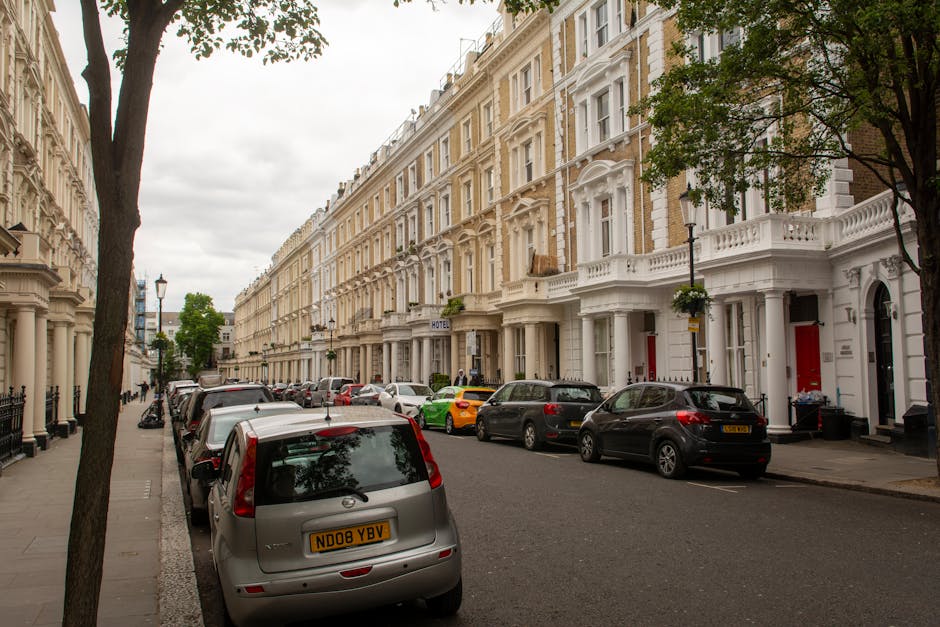
Moving from Norfolk Square to Praed Street sounds simple on paper. In real life, though, it is one of those short London moves that can still eat time, energy, and patience if you do not plan it properly. The streets are close, yes, but Paddington brings its own mix of tight access, traffic timing, building rules, and the kind of day where one forgotten box can set everything back. If you are preparing Norfolk Square to Praed Street moves: Paddington tips that actually help, you are in the right place.
This guide breaks down the practical side of the move: how to prepare, what usually slows people down, how to protect furniture, when to book help, and which details matter most in this part of London. You will also find a clear checklist, a comparison table, and a realistic example of how a short local move can still go sideways if the basics are missed. Truth be told, these are the moves where a little organisation goes a long way.
If you want the move to feel calm rather than chaotic, start with the basics, then build from there. That is usually the trick.
Why Norfolk Square to Praed Street moves: Paddington tips Matters
Norfolk Square and Praed Street are close enough that some people assume the move will be easy. That is the first trap. In central Paddington, distance is only one part of the story. The real issues are access, timing, loading space, pedestrians, building entry points, and the fact that short journeys can still become slow journeys once you add stairs, lifts, or waiting time.
This matters because a local move is often judged by the wrong metric. People think, "It is only a few streets away, so I do not need much planning." Then they are carrying a sofa down a narrow stairwell while a van waits outside, traffic builds behind them, and someone realises the keys are still in a coat pocket at the other address. Small move, big headache. London likes to keep you honest like that.
Paddington is also busy in a way that is hard to describe until you are standing in it. There is the flow from the station area, the taxis, delivery vehicles, passing commuters, and the simple pressure of limited kerb space. If you are moving between these two streets, the winning strategy is not speed alone. It is timing, coordination, and knowing what to do before the van arrives.
Another reason this move deserves proper attention is that it often sits inside a larger life change. A flat swap, a new rental, a job move, a downsizing decision, or a short-notice relocation. Those moments already come with stress. Good moving advice should reduce friction, not add to it.
How Norfolk Square to Praed Street moves: Paddington tips Works
At its simplest, this is a short local move within the same Paddington area. That makes it more flexible than a cross-London relocation, but not automatically easier. The process usually follows the same pattern: assess access, prepare belongings, load safely, move efficiently, and unload in the right order at the new address.
In practical terms, the move works best when you treat it like a mini-logistics job rather than a one-off lift-and-go task. That means checking whether the property is on a side street, whether there is a lift, whether parking is available near the entrance, and whether heavy items will need extra handling. A short route can still require a full moving plan.
For many people, the key decision is whether to manage it themselves or use a man and van style service. If the load is light and access is straightforward, a small van may be enough. If there are awkward corners, bulky furniture, fragile items, or a time-critical handover, professional support usually makes the day smoother. Not glamorous, but effective.
The best Paddington moves also build around the building schedule. Some properties need notice for lift access or loading. Others have narrow windows when entry is easiest. If you can align the move with those windows, you avoid the classic "waiting by the door with a trolley" problem. Nobody wants that, least of all on a wet London morning.
Key Benefits and Practical Advantages
A well-planned local move from Norfolk Square to Praed Street can save more than time. It can reduce physical strain, keep valuables safer, and make the handover feel much more controlled. That is often the real value: not just getting from A to B, but arriving without the usual scramble.
- Less travel time: Short distances mean less time on the road, but only if loading is organised.
- Lower transport complexity: Fewer miles can mean fewer things going wrong, especially with traffic.
- Better control over fragile items: You can keep an eye on important items when the journey is short.
- Easier same-day scheduling: Local moves are often more flexible if delays happen.
- More practical support options: You may not need a full-size removals truck for a Paddington-to-Paddington move.
There is also a psychological benefit people underestimate. A short move can feel manageable, which is good, but only if the plan matches reality. When the day runs to schedule, the whole thing feels lighter. You breathe more. Decisions are cleaner. Even the final box seems less annoying than it should be.
For renters, local moves can be especially helpful because you can do a careful handover without spending half the day in transit. For homeowners or small businesses, the benefit is similar: a tighter move window and less disruption to the rest of the week. If you can keep the moving day compact, you free up energy for everything else you still need to sort out.
Who This Is For and When It Makes Sense
This kind of move makes sense for anyone relocating within the Paddington area, especially if you are moving between flats, studios, shared homes, or small offices. It is also useful if you are moving out of a property in Norfolk Square and into nearby accommodation on Praed Street, or the other way round.
It is a strong fit for:
- tenants on short notice
- students or professionals changing local accommodation
- people downsizing from a larger property to a smaller one
- small offices or workspaces with limited equipment
- anyone with furniture that is too awkward for a car but too small for a full removals crew
Sometimes the move makes sense even when the distance is tiny, simply because the logistics are not. A second-floor flat without easy lift access can be a lot more work than you expect. Likewise, a move involving a mattress, a desk, a wardrobe, and several fragile boxes is not something to underestimate just because it is local.
Ask yourself a simple question: if the van were ten minutes late, would the whole day collapse? If the answer is yes, you probably need stronger planning and possibly professional help. That is not dramatic; it is just honest.
Step-by-Step Guidance
Here is a practical way to approach Norfolk Square to Praed Street moves without overcomplicating things. Keep it simple, but do not skip the boring bits. The boring bits are usually the important bits.
- List everything that is moving. Separate furniture, boxes, fragile items, clothes, documents, and anything you need on the first night.
- Check both addresses for access. Look at stairs, lifts, entry codes, intercoms, parking restrictions, and door widths.
- Measure larger items. A sofa that "usually fits" is not the same as a sofa that fits through a Paddington stairwell.
- Declutter before packing. If you have not used it in a year, it may not deserve the ride.
- Pack in categories. Keep kitchen items together, books together, and essentials separate.
- Label boxes clearly. Put the room name and a short description on each box. Future you will be grateful.
- Prepare an essentials bag. Keep chargers, keys, medication, documents, snacks, and a change of clothes within reach.
- Book moving help if needed. If you are using a local removals option, confirm the timing, access details, and what is included.
- Load the van in a sensible order. Heavy items first, fragile items secured, essentials accessible.
- Unpack the critical items first. Bed, kettle, toiletries, chargers, and documents should come before the decorative stuff.
That is the basic flow. Simple enough. The difference between a decent move and a frustrating one usually lives in steps two to six.
What to prepare the day before
The day before the move should feel like a final alignment, not a second packing day. Finish boxed items, empty bins, defrost the fridge if needed, charge devices, and keep cleaning supplies handy. If you are handing over keys, make sure you know the exact time and exact place. A missing key at 5:30 p.m. is rarely funny, despite what people claim later.
It also helps to take quick photos of furniture condition before the move, especially if you are renting. That is not about being difficult. It is about avoiding arguments over scuffs that were already there.
What to do on moving morning
Start early enough that you are not rushing by mid-morning. Open access routes, check the weather, and keep phone batteries charged. In central London, a calm start matters because delays have a habit of snowballing. A little rain, a late lift, a missing trolley wheel - and suddenly the day feels much longer than it is.
Expert Tips for Better Results
Over time, a few patterns show up again and again in short London moves. The people who have the smoothest day are not always the ones with the biggest budget. They are usually the ones who make the smallest practical decisions early.
- Book the move around traffic, not just your own schedule. Early daytime slots are often easier than trying to squeeze everything into a busy afternoon.
- Keep one box unsealed until the end. That box should hold tape, pens, paper towels, basic tools, and spare bags.
- Use soft items as protection. Towels, blankets, and bedding can help protect corners and glass during short transit.
- Move the hardest items first if the building is awkward. Getting the bulky stuff out of the way early can save energy later.
- Tell neighbours or building staff if needed. It is a small courtesy, but it can prevent a surprisingly tense doorstep moment.
Another tip: do not pack by room alone if you have mixed-use spaces. Pack by function where needed. For example, your "work box" may include chargers, notebooks, spare cables, and a headset. That box matters the minute you need to sign into work again after the move. No one likes digging through three boxes for one laptop cable at 9 a.m.
And yes, use proper labels. Big labels. Slightly over-the-top labels if necessary. It is tedious for ten minutes and helpful for hours.
Common Mistakes to Avoid
The most common mistake is underestimating a short move. Because the distance is small, people assume the day will be simple. But access issues, delays, and poor packing can create more stress than the travel itself.
- Leaving packing until the last evening: This almost always creates avoidable panic.
- Ignoring parking and loading restrictions: In Paddington, that can waste time fast.
- Forgetting to measure large furniture: A classic mistake, and still one of the most annoying.
- Packing fragile items with no padding: Short journey, same damage risk if boxes are badly packed.
- Not separating essentials: Then you spend the first night hunting for socks, toiletries, and your phone charger.
- Overfilling boxes: Heavy boxes break. Then the whole process gets slower and messier.
There is also the "we will figure it out on the day" mindset. To be fair, that sounds relaxed. In practice, it often means one person gets stuck carrying while everyone else makes decisions. Not ideal.
If you are moving from a building with narrow staircases or shared access, do not assume the same approach that worked in a wider suburban property will work here. London buildings have their own character, and sometimes that character is just inconvenience in a nicer coat.
Tools, Resources and Recommendations
You do not need a huge toolkit for a local move, but a few practical items can make life much easier. The aim is to reduce friction, protect your belongings, and avoid those silly little setbacks that steal time.
- Sturdy boxes: Use strong, same-size boxes where possible for easier stacking.
- Packing tape and a marker pen: Basic, yes. Also essential.
- Blankets or furniture covers: Good for protecting corners and surfaces.
- Bubble wrap or paper wrap: Useful for glass, crockery, and delicate items.
- Tool kit: Keep screwdrivers, Allen keys, and a small tape measure handy.
- Reusable bags: Handy for cables, toiletries, and loose items.
- Cleaning supplies: A cloth, spray, bags, and bin liners often come in handy at both ends.
If you need additional help with heavier items or a more structured move, a broader removal services option can be more suitable than a one-man lift. On the other hand, if your move is compact and mostly consists of boxes and a few pieces of furniture, a smaller setup can be more efficient. There is no prize for overbooking.
For peace of mind, it is also worth understanding how quotes, payment terms, and booking confirmations work before the move. A clear agreement avoids awkward conversations later, and those are best avoided when you are already tired.
Law, Compliance, Standards, or Best Practice
Even a short local move should be handled with care and professionalism. While this article is not legal advice, there are some sensible UK best-practice points worth keeping in mind.
Insurance matters. If a mover is handling your belongings, it is reasonable to ask what cover is included and how claims are handled. That applies whether you are moving a single item or an entire flat. A company that is clear about this is usually easier to deal with if something unexpected happens. You can review general expectations around insurance and safety before booking.
Health and safety matters too. Lifting awkward loads, carrying items down stairs, and moving through shared hallways all carry risk. Good practice means using proper lifting techniques, suitable equipment, and enough people for the job. If a move feels unsafe, slow it down. Pride is not worth a back injury.
Building rules and access conditions matter. Some residential blocks have requirements for booking lifts, using protective coverings, or limiting moving times. Always check with the building or managing agent in advance where possible. Small detail, big difference.
Payment and booking terms should be clear. Before confirming any moving support, make sure you understand deposits, final balances, and cancellation expectations. Straightforward terms reduce stress for everyone involved. If you want to know more about booking clarity, the site's pricing and quotes information is a useful place to start.
Best practice is really just thoughtful practice. Protect the property, protect the people, and protect the timeline. Simple enough, though not always as easy as it sounds.
Options, Methods, or Comparison Table
There are a few different ways to handle a Norfolk Square to Praed Street move. The right one depends on how much you are moving, how awkward the access is, and how much time you want to spend doing the physical work yourself.
| Option | Best for | Pros | Trade-offs |
|---|---|---|---|
| DIY with a car or taxi | Very light loads, a few bags, short errands | Low cost, flexible, simple | Not suitable for furniture or multiple boxes |
| Man and van | Studio moves, small flats, mixed loads | Practical, efficient, often the right balance for local jobs | Needs careful scheduling and clear loading instructions |
| Full removals team | Larger properties, heavy furniture, complex access | More support, faster loading, less physical strain | Usually more expensive and may be more than you need for a short move |
| Self-pack with hired vehicle support | People who want control but need transport help | Good middle ground, useful for mixed-size moves | Still requires organisation and lifting on your side |
If you are unsure which method fits best, start with the load size and access conditions. That usually answers the question faster than anything else. A small job with tricky stairs may need more support than a larger job with direct lift access. Funny how that works.
Case Study or Real-World Example
Picture a typical Paddington move: a one-bedroom flat in Norfolk Square, moving to a nearby place on Praed Street. On paper, the journey is tiny. The problem is the rest of the day.
The resident has a bed frame, mattress, desk, chair, two bookshelves, kitchen boxes, wardrobe items, and a few fragile pieces. The new place is only a short drive away, but the old building has a narrow staircase and the new one has a lift that needs booking. The person starts late, boxes are half-labelled, and the mattress is still wrapped loosely in a duvet cover because "that will do." It usually does not.
What makes the move easier is not magic. It is preparation. The desk legs are removed before moving day. Boxes are marked by room. Fragile items are wrapped properly. The lift slot is confirmed. The van arrives with enough room for the bed, furniture, and boxes in one trip. The move finishes in the afternoon rather than drifting into the evening.
That sort of result is ordinary when the plan is solid. No drama. No heroic last-minute effort. Just a move that behaves itself. And honestly, that is the best kind.
Practical Checklist
Use this checklist to keep the move on track. It is simple, but it catches a lot of the usual mistakes.
- Confirm the moving date and arrival time
- Check access at both addresses
- Measure doors, hallways, and large furniture
- Pack fragile items with padding
- Label every box clearly
- Prepare an essentials bag
- Disassemble bulky furniture if needed
- Arrange lift booking or building access where required
- Confirm parking and loading arrangements
- Keep keys, phones, and documents close
- Review insurance and payment details before moving day
- Take photos of the property condition if helpful
Expert summary: The smoothest Norfolk Square to Praed Street moves are usually the ones that look boring from the outside. Good labels, clear access, sensible timing, and the right transport choice can save far more effort than last-minute rushing ever will.
For a move that also needs packing support, it can be worth exploring packing and unpacking services. And if the job involves larger furniture or a broader household shift, home moves and house removals may fit better than a basic transport-only approach. A little matching-up now saves a lot of reshuffling later.
Conclusion
Norfolk Square to Praed Street moves may look like short hops, but in Paddington, the details matter. Access, timing, packing quality, parking, and the right level of moving support all shape how the day feels. Get those pieces right and the move becomes manageable. Leave them to chance and even a tiny route can feel oddly exhausting.
The good news is that these moves are very controllable. With a clear checklist, a realistic plan, and the right support where needed, you can make the transition clean and calm. That is really what most people want: not a perfect moving day, just one that does not take over the week.
Get a free quote today and see how much you can save.
If you are planning ahead, take the pressure off now rather than later. A few smart decisions today can make tomorrow feel a lot lighter. And that is worth quite a lot.
Frequently Asked Questions
How long does a Norfolk Square to Praed Street move usually take?
It depends on how much you are moving, whether there are stairs or lift access, and how easy it is to load and unload. The travel itself is short, but the full job can take longer once packing, access, and parking are included.
Do I need a van for such a short move?
If you only have a few bags, maybe not. But if you have furniture, boxes, or anything awkward to carry, a van is usually the safer and more efficient choice. Short distance does not mean you can carry everything by hand comfortably.
What is the best time of day to move in Paddington?
Earlier in the day is often easier because there is usually less pressure from traffic and building activity. That said, the best time is also the one that fits access arrangements at both properties. Timing and permissions matter as much as convenience.
Should I dismantle furniture before the move?
Yes, where practical. Bed frames, large desks, and similar items often move more safely when taken apart. It also reduces the risk of damage in narrow hallways or stairwells.
How should I pack fragile items for a local move?
Use strong boxes, plenty of padding, and fill any empty space so items do not shift. Even a short journey can jolt delicate items if boxes are underpacked or stacked badly.
What if my building has no easy parking nearby?
That is common in central London. You should plan the loading point carefully and allow extra time for the van to position safely. If needed, speak to the building management or whoever controls access before moving day.
Is a man and van service enough for this move?
Often, yes. For small flats, single rooms, and compact household moves, a man and van setup can be a sensible fit. If the property is larger or the items are heavy and numerous, a bigger removals service may be more appropriate.
How do I reduce stress on moving day?
Pack early, label clearly, keep essentials separate, and confirm access details in advance. A calm move is usually the result of boring preparation. Not exciting, but effective.
What should I keep with me instead of loading it in the van?
Keep keys, phone chargers, medication, important documents, valuables, and a basic first-night bag with you. That way, if the van is delayed, you still have the things you actually need.
Do I need insurance for a local move?
It is sensible to check what cover is included, especially if you are moving valuable or fragile belongings. Ask questions before booking so you know where you stand if something is damaged or lost.
What is the biggest mistake people make on short London moves?
The biggest mistake is assuming the short distance will fix poor preparation. It will not. Access issues, packing problems, and bad timing can make a short move feel much bigger than it really is.
Can I combine packing help with transport?
Yes, and for some people that is the easiest route. If you are short on time or do not want to manage everything yourself, combining packing and transport can make the whole process more straightforward.
