Tight-access moves in Paddington: stairs, lifts & fees
Posted on 14/05/2026
Tight-access moves in Paddington: stairs, lifts & fees
Moving in Paddington can be wonderfully central and, frankly, a bit awkward at the same time. Elegant mansion blocks, compact flats, basement entrances, narrow stairwells, small lifts, busy streets, and controlled loading zones all tend to show up in the same postcode. If you are dealing with tight-access moves in Paddington: stairs, lifts & fees, the real challenge is not just carrying boxes. It is planning the access so the move stays safe, efficient, and predictable.
This guide breaks down what tight access actually means, how stairs and lifts affect moving day, which fees may appear, and how to avoid those awkward last-minute surprises. You will also find a practical checklist, a comparison table, and a realistic example from a Paddington-style flat move. Let's face it, nobody wants to discover on the morning that the lift is too small for the sofa. Not ideal.
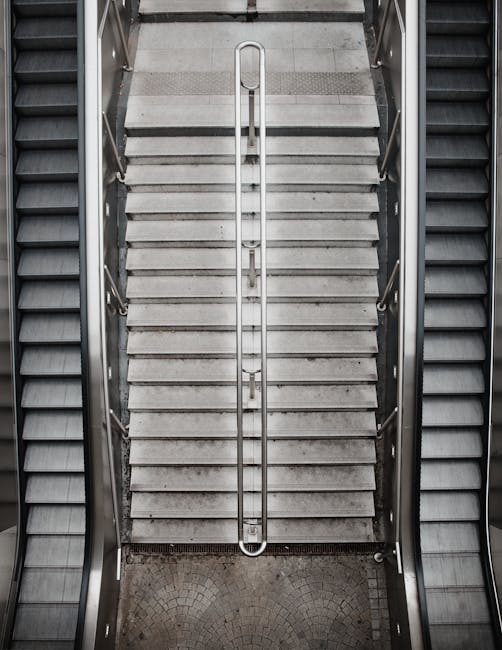
Why Tight-access moves in Paddington: stairs, lifts & fees Matters
Paddington is full of buildings that look straightforward from the street but become much trickier once you are inside. A front door might open into a narrow hallway. The lift might be old, small, or shared with neighbours who are not expecting a move. Staircases can be tight, bendy, and oddly shaped. Sometimes there is a split-level landing, a basement corridor, or a service entrance that seems designed to test patience.
That matters because access affects nearly every part of the move: time, labour, equipment, protection materials, and even whether a large item can be moved at all without dismantling it. It also affects the quote. A move with four flights of stairs and no practical lift use is a different job from a ground-floor loading move, and it should be priced differently.
If you are comparing flat removals in Paddington or deciding between a fuller service and a smaller man with a van in Paddington, access is one of the first things to get clear. It is not a side issue. It is the job.
For renters, landlords, students, office movers, and homeowners alike, the consequences of poor access planning are usually the same: delays, extra labour, fatigue, and the occasional strained shoulder. And in Paddington, with its mix of period conversions and modern developments, that can happen very quickly.
How Tight-access moves in Paddington: stairs, lifts & fees Works
In practice, a tight-access move starts with an assessment. That assessment can happen during your initial enquiry, over photos and measurements, or through a more detailed pre-move call. The mover wants to know:
- how many floors are involved
- whether the lift is available and usable on moving day
- the lift dimensions and weight limits, if known
- the width of stairwells, landings, and doorways
- how far the vehicle must park from the entrance
- whether parking, concierge access, or timed loading applies
- what the large items are, especially wardrobes, beds, sofas, and appliances
Once that picture is clear, the move can be planned properly. For example, if a lift is too small for a mattress but the stairs are manageable, the team may use a stair carry. If the staircase is too tight for a wardrobe but the item can be dismantled, that may be the better route. If neither option is sensible, then special handling or an alternative route may be needed.
Fees usually reflect the extra time and effort. You may see charges linked to additional carry distance, upper-floor access, waiting time, dismantling and reassembly, or specialist handling for awkward items. Not every company structures these fees the same way, which is why a clear quote matters more than a cheap headline price. Truth be told, a vague quote is often the expensive quote in disguise.
A good operator will explain how stairs and lifts affect labour planning, whether one person or two people are needed, and whether any equipment is required. If you need more general support, it helps to review the full removal services overview before choosing the right package.
Key Benefits and Practical Advantages
Planning tight-access moves properly brings a few obvious benefits, plus a couple of less obvious ones that are easy to miss until the day itself.
- Fewer delays: When the route is clear, the crew can move steadily instead of stopping to puzzle out turns and landings.
- Lower risk of damage: Doors, banisters, walls, floors, and furniture are safer when the access plan fits the building.
- More accurate pricing: Clear access details reduce the chance of add-on costs appearing late in the day.
- Better vehicle choice: A smaller or more suitable vehicle may be enough if the access route is complicated.
- Smoother coordination with building rules: Some Paddington blocks have concierge windows, lift booking slots, or moving restrictions.
There is also a quieter benefit: less stress. If you know the lift is reserved, the sofa fits, and the team understands the staircase shape, the move feels more manageable. You can focus on the new place instead of fretting over whether the chest of drawers will make that turn near the second landing.
For clients moving bulky furniture, it can be worth looking at furniture removals in Paddington as a separate consideration, especially if the main challenge is stair access rather than volume alone.
Who This Is For and When It Makes Sense
Tight-access planning is useful for a lot more people than you might think. If your home, office, or storage unit sits in a building where access is less than generous, this section is probably for you.
It is especially relevant for:
- flat moves in older Paddington conversions
- top-floor apartments with small or shared lifts
- basement or garden-level homes with narrow stairwells
- students moving in or out with awkward access and little time
- office moves where lifts are booked, small, or shared with the public
- house moves with difficult front steps, side entrances, or tight hallways
- anyone moving heavy, fragile, or oversized items
It also makes sense when you are time-sensitive. A same-day move with a tight lift window can go from simple to chaotic if access is not checked early. If that sounds familiar, it is worth looking at same day removals in Paddington alongside the access details, because speed and access need to work together, not fight each other.
For people moving from a smaller flat, the scale of the move can still be deceptive. A handful of boxes, a bed frame, a desk, two suitcases, and a sofa may sound manageable. Then you add three flights of stairs and a narrow turn, and suddenly the day has a different shape. Funny how that works.
Step-by-Step Guidance
Here is the simplest way to approach a tight-access move without overcomplicating it.
- Measure the key spaces. Check stairs, landings, doors, lift door width, lift interior space, and any turns that could catch larger items.
- List the awkward items. Note anything bulky, heavy, fragile, or awkwardly shaped. Sofas, wardrobes, mirrors, appliances, and pianos deserve extra attention.
- Photograph the access route. A few clear photos often help more than a long description. Include entrances, hallways, stairwells, and lift controls if useful.
- Ask about the building rules. Some properties need lift booking, protective coverings, or set moving times. A concierge can be helpful, but only if you know the process.
- Request a realistic quote. Make sure the price reflects the access difficulty, not just the mileage or number of boxes.
- Prepare the property. Clear paths, remove loose rugs, protect floor surfaces if needed, and keep doors open where appropriate.
- Confirm parking and arrival timing. In Paddington, that part can be as important as the room-to-room move itself.
- Decide what needs dismantling. Some furniture should come apart before the move begins. Waiting until the hallway is packed is not the moment, to be fair.
- Keep essentials separate. Put documents, keys, chargers, and basic toiletries in one easy-to-reach bag.
- Walk the route with the crew if possible. One quick walkthrough can prevent a lot of back-and-forth later.
If your move is centered around a specific route or loading point near the canal or station, the access details become even more important. The guides on Paddington Basin routes and loading spots and removal access advice from Little Venice to Paddington Station are useful companions here.
Expert Tips for Better Results
Small decisions make a big difference on a tight-access move. A few experienced habits can save a surprising amount of time.
1. Always check lift dimensions against real furniture, not guesses
A lift that looks generous can still fail you when it comes to a sofa corner or mattress height. Measure the widest and tallest parts of the item, not just the neatest side.
2. Keep protective materials ready before the team arrives
Floor covers, door protectors, blankets, and straps are not decoration. They are what keep a tight staircase from becoming a scratchy, noisy hassle. And yes, the noise matters. Neighbours notice.
3. Consider whether partial dismantling is better than forcing a carry
Sometimes taking a bed frame apart or removing a wardrobe door is the smartest choice. It is usually faster than trying to persuade a stubborn object around a bend it was never meant to meet.
4. Build in a buffer for waiting and lift sharing
If the lift is shared with residents, deliveries, or building staff, allow extra time. A move that looks quick on paper can slow down fast when a lift is out of action for ten minutes here and fifteen there.
5. Be honest about the building, even if the access is annoying
People sometimes understate the challenge because they do not want to sound difficult. But honesty gets a better result. A good mover can cope with awkward access; they just need the facts.
6. Match the service level to the job
If your move includes heavy furniture, multiple floors, or a long carry, a more complete removals service may be the better fit than a simple van-and-driver option. For many households, man and van support in Paddington is perfect for smaller jobs, but it is not always the best choice for the trickiest staircases.
A final practical thought: if you are moving from a furnished place and only taking some items, remember that access time can still rise if each large item needs a separate route plan. The move feels small until the hallway says otherwise.
Common Mistakes to Avoid
Most access problems are preventable. The same few mistakes come up again and again, and they are usually the ones that cost time.
- Assuming the lift is usable without checking: A lift may be booked, restricted, broken, or simply too small.
- Forgetting to measure the staircase turns: A straight stair width is not enough if the landing is tight.
- Leaving large items assembled: A wardrobe that could have been dismantled becomes a problem item very quickly.
- Ignoring parking distance: A short-looking walk from van to door can be far longer with heavy boxes.
- Not telling the mover about basement or upper-floor access: The quote will not reflect reality if the access details are incomplete.
- Booking too tight a time window: If the move runs late, you need a little breathing room.
- Not protecting walls and corners: One exposed corner on a narrow staircase can turn into an expensive scuff.
One mistake is especially common in Paddington flats: people focus on the lift and forget the route from the lift to the door. That corridor can be the real bottleneck. Small thing, big difference.
Tools, Resources and Recommendations
You do not need specialist kit for every move, but a few practical tools make tight access much easier to handle.
- Measuring tape: Useful for doors, lifts, stair widths, and furniture dimensions.
- Phone camera: Photos of the route are often more helpful than a written description.
- Furniture blankets and straps: Helpful for protecting items on stairs and in lifts.
- Door protectors and floor covers: Worth using in older buildings or freshly decorated flats.
- Allen keys and basic tools: Useful if items need to be dismantled on the spot.
- Labels and markers: Helpful when items are being moved in stages because of access constraints.
For packing support, the page on packing and boxes in Paddington is a sensible next step if you are trying to keep the job organised and reduce fiddly carry time. And if you need storage because access means part of the move must happen later, storage in Paddington can be a practical backup plan.
When you are comparing providers, it also helps to look beyond the quote itself. A company's insurance and safety approach tells you a lot about how they handle narrow staircases, awkward load-bearing moments, and tricky building access. That is not the glamorous part of moving, but it is the bit that keeps the day calm.
Law, Compliance, Standards, or Best Practice
For tight-access moves, the main compliance concerns are usually practical rather than dramatic. The important thing is to work safely, respect building rules, and avoid unnecessary risk to people or property.
In the UK, movers and customers generally need to think about a few common best-practice points:
- Manual handling: Heavy or awkward items should be lifted and carried with care, using appropriate technique and enough people.
- Building rules: Many flats and managed properties have their own moving procedures, lift booking rules, or access windows.
- Public safety: Shared hallways, entrances, and pavements should remain as clear as possible.
- Insurance cover: It is sensible to understand what is covered for accidental damage, loss, or access-related incidents.
- Environmental care: Careful packing and reduced damage also support more sustainable moving practices.
Where a building has an accessible entrance or alternative route, a good mover will usually adapt the plan rather than forcing a difficult path. The accessibility statement is useful if you want to understand how the business approaches inclusive access, while the health and safety policy gives a clearer picture of working methods and standards.
It is also wise to check the company's terms and conditions and pricing and quotes guidance before you confirm anything. That is where you are most likely to understand how stairs, waiting time, or difficult access might affect the final amount.
Options, Methods, or Comparison Table
There is no single right way to handle a tight-access move. The best method depends on the building, the items, and the clock. Here is a simple comparison.
| Method | Best for | Pros | Trade-offs |
|---|---|---|---|
| Lift carry | Medium items that fit the lift safely | Often quicker, less tiring, cleaner route | Can be blocked by size limits, booking rules, or lift downtime |
| Stair carry | Items that fit stairs better than the lift | Flexible when lift access is poor | More labour-intensive, higher fatigue, greater damage risk if rushed |
| Dismantle and reassemble | Large furniture, beds, wardrobes, desks | Can turn an impossible move into a straightforward one | Takes extra time and a bit of organisation |
| Alternative access route | Buildings with side doors, service corridors, or loading entrances | May reduce congestion and protect the main entrance | Sometimes longer walking distance or building approval is needed |
| Split move or storage-first approach | Complex moves, delays, or partial access issues | Reduces pressure on the moving day itself | Requires extra planning and possibly temporary storage |
If you are unsure which route fits your place, start with the building layout and the biggest item. That one item often decides everything. A big sofa does not negotiate, unfortunately.
Case Study or Real-World Example
Here is a realistic Paddington-style example. A client in a third-floor flat needed to move into a nearby property with a shared lift, a narrow internal corridor, and a staircase that curved at the second landing. The load included a double bed, sofa, dining chairs, boxes of books, and a glass console table.
At first glance, the move looked simple enough. Same area, short distance, not much volume. But the access changed the picture quickly. The lift was available, but only for some items. The bed frame needed dismantling. The sofa was too bulky for one turn in the stairwell, so the crew adjusted the route and used protective coverings on the corners and banisters.
What made the difference was the planning. Photos were shared beforehand. Measurements were taken. The mover knew there would be a wait for the lift during one loading window. The quote reflected the extra labour honestly, so nobody was surprised on the day. The result was not flashy. It was just smooth. And that is usually the best kind of move.
For clients with similar setups, especially in apartment-heavy parts of the area, the advice is simple: be very clear about access, and do not minimise the awkward bits. The awkward bits are the job.
Practical Checklist
Use this checklist a day or two before your move, or even sooner if the access is particularly tight.
- Measure stairs, lifts, doors, and any turns that look tight
- Take photos of the entrance, hallway, stairwell, and lift
- List your biggest and heaviest items
- Check whether furniture needs dismantling
- Confirm lift booking or building access rules
- Ask about parking space, loading restrictions, and walking distance
- Make sure the quote mentions stairs, lift use, or carry distance if relevant
- Set aside protection for floors, doors, and corners
- Pack an essentials bag for documents, keys, medication, and chargers
- Tell the mover about anything unusual, even if it feels minor
Quick takeaway: if the access route has even one awkward point, plan around it early. That one decision usually saves the most time and money.
Get a free quote today and see how much you can save.
Conclusion
Tight-access moves in Paddington are common, manageable, and far less stressful when the stairs, lifts, and fees are understood in advance. The key is not to hope the building will "probably be fine." It is to check, measure, and plan like the building actually matters, because it does.
When access is tight, a good moving plan becomes a practical map: what can go in the lift, what needs the stairs, what should be dismantled, where the van can park, and how much extra effort the job really needs. Once those pieces are clear, the move feels lighter. Not easy, maybe, but lighter.
If you want a more tailored solution, take a look at the wider removal services in Paddington and then reach out through the contact page. A quick conversation now can save a long, irritating morning later.
And honestly, that is the heart of it: good access planning gives you back your calm. Which, on moving day, is worth a lot.